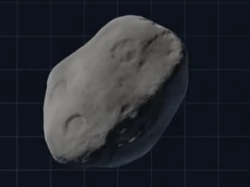
Resource extraction from near-Earth objects to fuel the space economy.
Asteroid mining involves the extraction of raw materials from minor planets and asteroids. These celestial bodies contain minerals that are rare on Earth, such as platinum, gold, and palladium, as well as water which is crucial for deep-space exploration.
These have orbits that pass close to Earth. Due to low delta-v (velocity change) requirements, they are the most immediate targets for early mining missions.
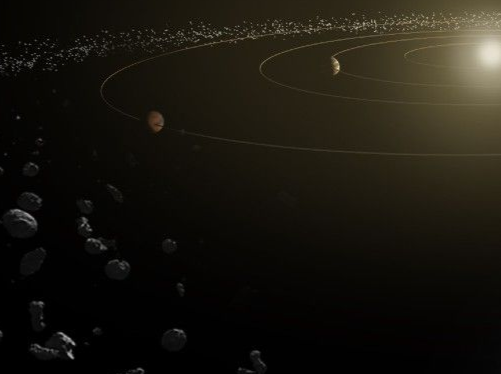
Located between Mars and Jupiter, this area contains the vast majority of asteroids. While harder to reach, it holds essentially unlimited mineral wealth.
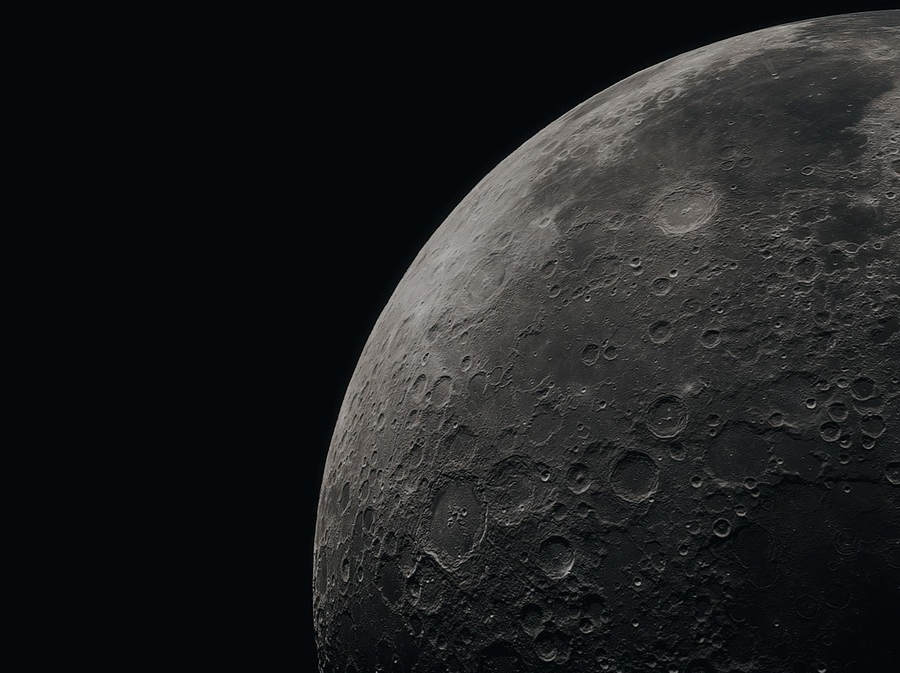
While not an asteroid, the Moon is a crucial stepping stone. Mining lunar regolith for Helium-3 and water ice is essential for processing asteroid materials.
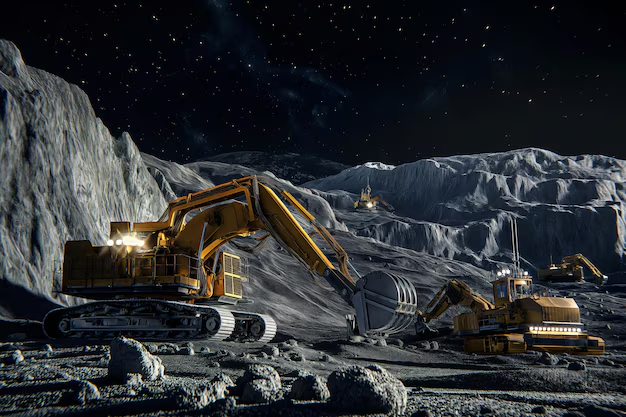
Using concentrated sunlight to superheat the asteroid surface, causing "spalling" where rocks fracture and release trapped water and volatiles.
OPENSpecialized electromagnets designed to sweep surfaces and collect loose metallic regolith (nickel-iron) from the asteroid's surface.
OPENInstead of one massive ship, deploying hundreds of small, autonomous robots to prospect and extract resources cooperatively.
OPENTechnologies to process raw asteroid material directly into structural components in zero-gravity environments.
OPENUnlimited supply of Platinum group metals (PGMs) needed for electronics and green energy tech.
Water extracted from asteroids can be split into Hydrogen and Oxygen to refuel spacecraft in orbit.
Moving heavy industrial mining off-planet reduces pollution and ecosystem destruction on Earth.
The 1967 Outer Space Treaty forbids claiming territory, creating complex legal battles over resource ownership.
Flooding the market with cheap precious metals could crash global economies and devalue national reserves.
Mining operations could create dust clouds or debris fields that threaten satellites and future space travel.